What is Mochi? Everything You Need to Know

If you’ve been doomscrolling through social media and have come across a soft, round, pastel-coloured ball that looks too pretty to eat – then you’re at the right place. That soft, round ball is called mochi and it doesn’t matter that you think it’s too pretty to eat, you surely want to taste it. This was exactly how I felt when I saw someone eating mochi for the first time on the internet. I was so intrigued to find out how it tasted and well, I did. So much so, that I ended up starting Mochisko because writing about it just isn’t enough.
But first – what exactly is mochi?
What Exactly is Mochi?
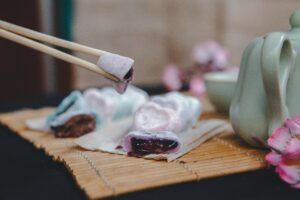
Mochi is a traditional Japanese sweet made from rice flour, but not like the one we eat in India. It is glutinous rice flour called mochiko, which is specifically used in East and South-Asian cuisines, and even in the Northeast part of India. The rice flour is mixed with water and sugar, then pounded or steamed into a soft, stretchy dough. The result is a uniquely chewy, smooth, and slightly sticky confection that has a texture unlike anything else in the dessert world.
It can be enjoyed plain, which is the most traditional way to eat mochi; or dusted in cornstarch, matcha powder; or most popularly stuffed with a sweet filling like red bean paste, fruit cream, chocolate, or even ice cream.
Where Does Mochi Come From?
Mochi has its roots in Japan, where it has been prepared for over a thousand years. Historically, it was considered a sacred food — prepared during festivals, offered at temples, and eaten to celebrate the Japanese New Year (Oshōgatsu).
Over time, mochi evolved from a ceremonial food into an everyday sweet enjoyed across the globe. It went from sacred temple offerings to Instagram-worthy desserts, and honestly we’re not complaining.
What Does Mochi Taste and Feel Like?
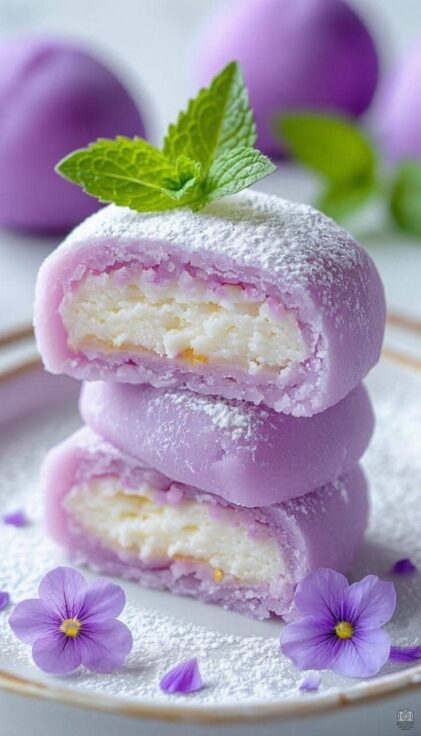
This was the question I asked when I first saw this heavenly dessert on my screen and I bet you’re wondering the same. You might’ve never tried something like this before.
The outer layer is soft, pillowy, and wonderfully chewy. It has a mild, slightly sweet flavour on its own, which makes it perfect for a wide variety of fillings. The chewiness of the dessert is something to look forward to as it might be something you’ve probably never experienced before.
When filled, each bite gives you the soft chew of the rice dough followed by a burst of flavour from the filling inside. It’s light, it’s delicate, and it leaves you yearning for one more piece.
Types of Mochi

Now that you have some idea of how mochi tastes, know that all mochis don’t taste the same. This is one of the reasons why mochi has become so popular worldwide. Its versatility makes it unique and easily customizable.
Plain Mochi
If you’re a minimalist in the true sense, you might like this one the best. It is the most traditional form of mochi with just rice dough, sometimes dusted in kinako (roasted soybean flour).
Daifuku
Daifuku is perhaps the most well-known type of filled mochi, loved for its endless variety of fillings. It’s a soft ball of mochi wrapped around a sweet filling, most traditionally anko (sweet red bean paste) available in dozens of flavours — strawberry, matcha, mango, chocolate, and more.
Mochi Ice Cream
A small scoop of ice cream wrapped in a thin layer of mochi dough. This one is my personal favourite and the one that made me completely fall in love with mochi. It’s a perfect blend of chewiness, softness and creaminess all in one.
Is Mochi Popular in India?
More than anyone expects – including me. You probably think that I’m biased because I like it so much, but that’s not the case. With the expansion of the travel industry and great exposure to the cultures and food of the world, mochi fever is taking over rapidly.
A few years ago, mochi was just a dessert found in Japan, an essential part of their culture. Today, it’s showing up in premium gift boxes, artisan dessert shops, and online stores across major Indian cities.
Reason for Mochi becoming popular in India
The reason is simple – try it once and you’ll understand. As Indians, we have always had a deep love for sweets, and mochi offers something genuinely new, something different from the thousand varieties of sweets we have in India. A dessert so unique and flavourful that it feels fresh and exciting compared to traditional mithai. (Not saying Indian sweets are any less. My love for them is eternal.) Mochi just happens to be the delicious new addition to an already incredible family of sweets.
Flavours like mango, rose, paan, and cardamom are making mochi even more relevant to Indian tastes, bridging the gap between Japanese tradition and Indian flavour preferences.
Is Mochi Healthy?

Compared to most traditional sweets, mochi is a relatively light option. It’s low in fat, naturally gluten free (despite the word “glutinous” in its name — more on that in another post), and free from artificial colours when made properly. When made well, mochi uses real ingredients – real fruit, real matcha, real flavour and none of the artificial stuff.
That said, it does contain sugar and carbohydrates, so it’s best enjoyed in moderation. Fortunately, the portion size of mochi makes it possible as each piece is small and satisfying. Even a person like me, who’s a sweet tooth, can have it without the fear of eating too much at once. One or two pieces and you’re content and refreshed, which is more than I can say for most desserts I’ve tried.
Where to Buy Mochi in India
Now that you know what mochi exactly is, you surely want to taste it for yourself, right? But where exactly can you find it in India?
Currently mochi is available in specialty stores in Mumbai, Delhi and Bangalore. Online options exist but are mostly imported and not fresh. Mochisko is launching soon to change that — fresh, handcrafted mochi delivered across India.
At Mochisko, we believe everyone in India deserves access to fresh, authentic mochi – not the stale imported versions that have been sitting in a warehouse for months.
We’re launching soon — and we’d love for you to be among the first to try it. Drop your email below and we’ll let you know the moment we’re live.
Final Thoughts
Now that I’ve expressed my love for mochi, I would love for you to feel the same. Next time you’re doomscrolling and you come across that soft, round, pastel coloured ball — you’ll know exactly what it is. And more importantly, you’ll know exactly where to get it.